Welcome to Retrofit Enterprises | Excellence in Every Build

-
Call Us Now
0701 749 729
-
We are Open
Everyday 9:00am -6:00pm
-
Send Us E-mail
info@retrofitenterprises.co.ke
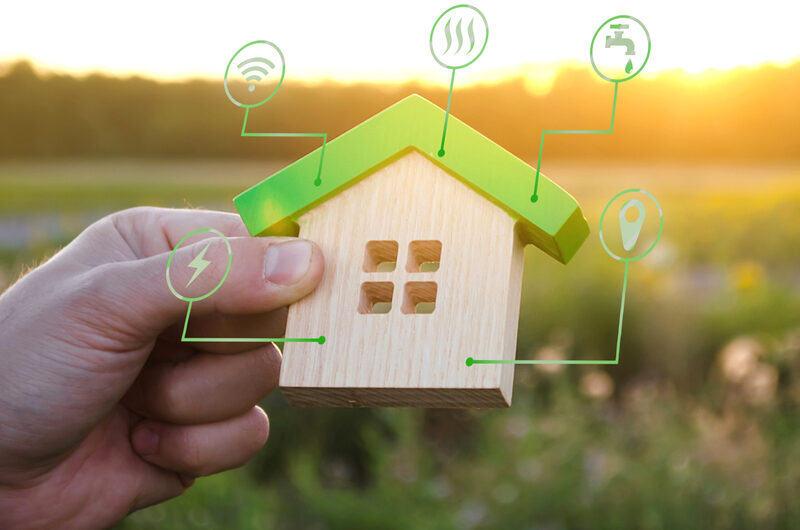
Green Building Materials: A Step Towards a Sustainable Future
- 22/04/2026
- No Comments
One of the most critical aspects of green construction is the materials used in building projects. Traditional building materials contribute significantly to environmental degradation, but the rise of sustainable alternatives is changing that. This post will delve into the world of green building materials, focusing on the importance of choosing eco-friendly options.
we take our responsibility to the environment seriously and are committed to creating a great environment not only for our employees and the community, but for the planet as a whole.
Types of Green Building Materials:
The selection of building materials plays a pivotal role in determining the sustainability of a construction project. Here are some key materials that are environmentally friendly:
- Recycled Materials: Recycled steel, glass, and concrete significantly reduce the need for virgin materials, lowering energy consumption in production and minimizing waste.
- Bamboo: A fast-growing, renewable resource, bamboo is used as an alternative to traditional hardwoods for flooring, paneling, and furniture.
- Recycled Wood: Salvaged wood from old buildings, reclaimed lumber, and sustainably harvested wood products are excellent choices for green construction.
- Low-Emission Paints and Finishes: Traditional paints release volatile organic compounds (VOCs) that can harm indoor air quality. Low-VOC paints, finishes, and stains are healthier for both workers and residents.
The Environmental Impact of Green Materials:
Green building materials are designed to minimize the environmental impact of construction. Here’s how:
- Energy Savings: Many eco-friendly materials, such as insulated concrete forms (ICFs) or structural insulated panels (SIPs), improve the energy efficiency of buildings by reducing heating and cooling needs.
- Reduced Waste: By using recycled materials, builders can reduce waste sent to landfills, contributing to the circular economy.
- Sustainable Sourcing: Many green materials are sourced from renewable resources, reducing the strain on ecosystems and decreasing carbon emissions from transportation.
Challenges and Considerations:
While green building materials offer numerous benefits, they also come with challenges:
- Cost: Although the cost of green materials has been decreasing, they can still be more expensive upfront than conventional options. However, the long-term savings in energy bills and maintenance make them a worthwhile investment.
- Availability: In some regions, sustainable materials are harder to find, and shipping costs for green materials can be high.
- Quality Control: Green materials must meet strict standards for safety and durability, which can sometimes complicate the building process.
Conclusion:
Green building materials are crucial for achieving a sustainable future. Though there are challenges, the benefits of using eco-friendly materials—such as reducing waste, conserving energy, and preserving natural resources—far outweigh the drawbacks. As demand for sustainable buildings increases, we can expect innovation in green materials to continue, making them more accessible and affordable.


Our Products


Contact Us


Contact Details
