Welcome to Retrofit Enterprises | Excellence in Every Build

-
Call Us Now
0701 749 729
-
We are Open
Everyday 9:00am -6:00pm
-
Send Us E-mail
info@retrofitenterprises.co.ke
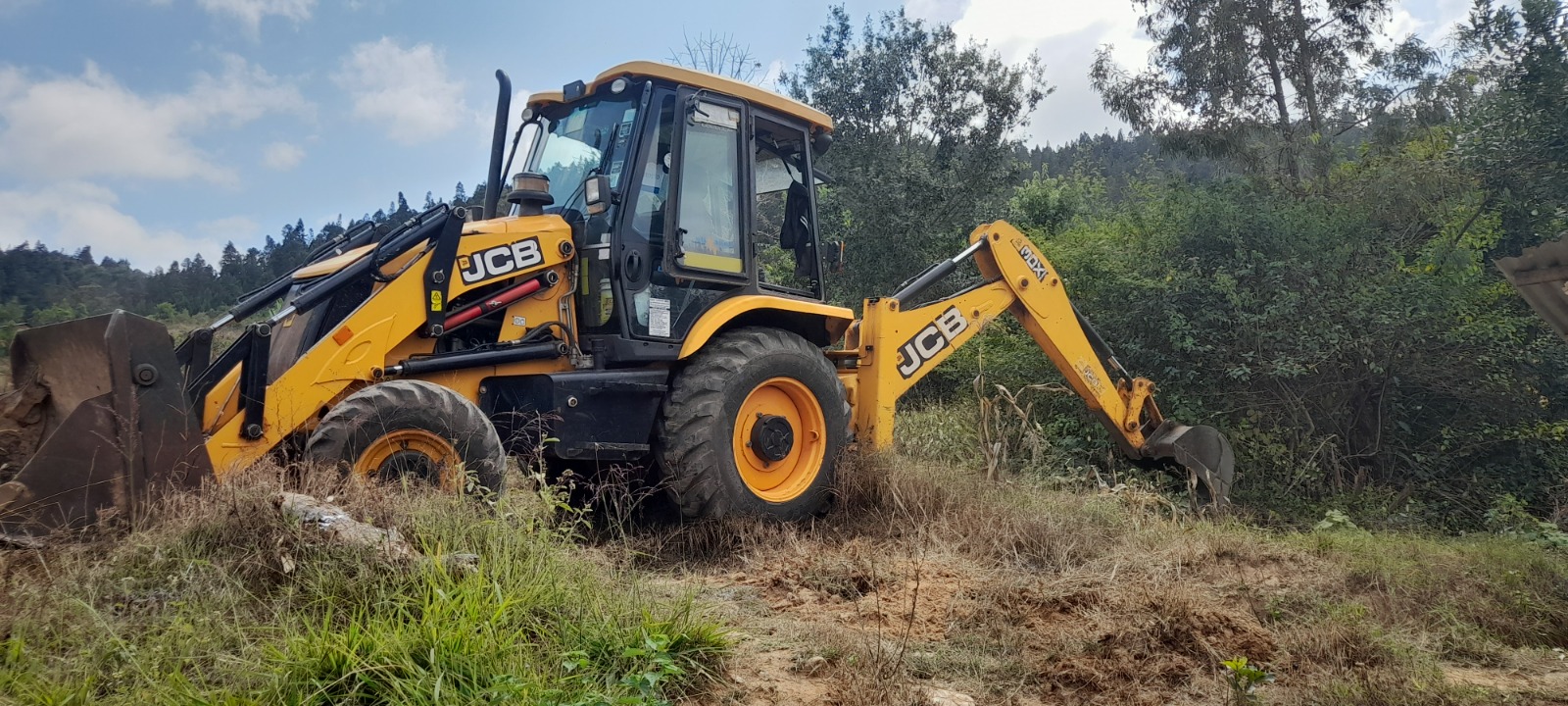
Landscaping on Slopy Topography: Overcoming Challenges in Construction
- 22/04/2026
- No Comments
Sloped landscapes pose unique challenges when it comes to construction, landscaping, and paving. Whether you are working with natural hillsides or modifying the topography for construction purposes, slopy terrain requires meticulous planning, specialized techniques, and the right equipment to ensure both stability and aesthetic appeal.
The Importance of Planning for Sloped Land
Planning is crucial when dealing with sloped landscapes, as the angle of the slope, the type of soil, and climate conditions all impact the decisions made during construction. For a project to succeed, it’s essential to have a strategy that addresses both structural needs and environmental concerns. Working on a slope doesn’t just mean building a house or road; it means working with the land’s natural contours and respecting the environmental and safety factors that come into play.
Challenges of Landscaping and Paving in Slopy Topography
- Erosion and Soil Instability
One of the most prominent challenges with sloped terrains is erosion. Over time, rainwater and wind can erode soil, washing away topsoil and destabilizing structures built on the slope. When paving roads or building homes, you may find that the slope causes significant challenges in keeping the soil in place, leading to foundation instability. Solution: To counter erosion, a combination of techniques can be used:- Retaining Walls: These prevent soil from sliding and are typically made from stone, concrete, or timber. By creating barriers, retaining walls help hold back the soil and reduce the movement of dirt.
- Terracing: Terracing involves creating step-like levels on the slope, each supported by retaining walls. This technique distributes water flow evenly, reduces runoff, and helps to manage the soil effectively.
- Planting Ground Covers: Grass, shrubs, and low-maintenance plants with deep roots can help hold the soil together and prevent erosion. Ground covers also absorb water, reducing runoff and stabilizing the soil.
- Uneven Ground for Foundations
Building on sloped land can be tricky, as uneven ground can cause problems for foundations. Foundations need to be level to provide structural integrity, but a slope naturally complicates this. Solution:- Stepped Foundations: This involves creating multiple steps along the slope, each one at a different height to match the level of the land. These steps create a foundation that accommodates the sloping surface.
- Pier and Beam Foundations: This method uses piers sunk into the ground to create a stable base for the structure. These foundations are ideal for steep slopes, as they allow for elevation without disturbing the natural grade.
- Slab-on-Grade Foundations: In some cases, a reinforced concrete slab can be placed directly on the ground. It’s essential to work with engineers to design proper drainage for this type of foundation to prevent water pooling.
- Accessibility and Machinery Navigation
Moving construction equipment and workers safely on sloped land is no easy feat. The risk of accidents is higher when machinery is navigating uneven ground, and this can delay the project or increase costs. Solution:- Creating Temporary Roads: Before beginning construction, temporary access roads can be built to allow machinery to move up and down the slope safely. These are often reinforced with gravel or other durable materials to prevent slippage.
- Specialized Equipment: Heavy-duty equipment designed specifically for sloped terrain—such as tracked vehicles—can be used to ensure safe and efficient operations. These vehicles distribute the weight more evenly, making them ideal for soft or uneven ground.
- Safety Barriers: Installing barriers or safety rails along the construction site helps to mitigate accidents, especially when slopes are steep. Proper safety training for workers is also essential to maintain a secure environment.
Innovative Landscaping Techniques for Slopy Land
Landscaping on slopes requires creative thinking and a deep understanding of the land’s natural features. By using specific landscaping techniques, you can transform sloped land into usable, aesthetically pleasing spaces. Below are several techniques commonly used in sloped land landscaping:
- Terracing and Stepped Gardens
Creating flat, level areas on sloped terrain is one of the best ways to make the land usable. Terracing divides the slope into flat sections or “steps,” which helps to manage water flow, reduce erosion, and provide space for planting.- Benefits: Terraces are not just functional but also visually striking. When combined with retaining walls and carefully chosen plants, terracing can create a beautiful multi-level garden or yard, adding depth and interest to the landscape.
- Design Tip: Adding decorative elements like wooden or stone pathways between terraces, or incorporating seating areas and water features, can make the space more functional and appealing.
- Retaining Walls for Aesthetic Appeal
Retaining walls are often used to support terraces and help prevent erosion, but they can also add to the overall aesthetic of the landscape. These walls can be made from a variety of materials, including stone, brick, or concrete, and can be designed to match the surrounding environment.- Design Tip: Opt for natural stone or organic materials to blend the wall into the natural landscape. If you’re creating a garden, retaining walls can also serve as a decorative feature, adding structure and visual interest.
- Ground Cover and Erosion Control Plants
When landscaping sloped land, selecting the right plants is crucial. Ground cover plants with strong root systems help hold the soil in place while adding greenery to the landscape. Certain plants, such as ivy, ferns, and grasses, are particularly effective in sloped areas because they spread quickly and help anchor the soil.- Design Tip: Choose native plants that are well-suited to the climate and terrain. Native plants will often require less water and maintenance, making them ideal for sloped, high-maintenance areas.
- Pathways and Steps
Creating pathways or steps on sloped land is another important aspect of landscaping. Pathways are crucial for accessibility, especially in residential or commercial settings, while steps can add both function and charm to the landscape.- Design Tip: Use materials like gravel, stone, or wood to create natural, non-slip pathways that blend seamlessly with the landscape. For steeper slopes, consider adding handrails or guardrails to ensure safety.
- Rain Gardens and Proper Drainage
Managing water runoff is essential in sloped areas to prevent erosion and flooding. Installing rain gardens—landscaped areas designed to capture rainwater runoff—is an excellent way to manage water on sloped land. Additionally, incorporating French drains, swales, and proper irrigation systems can help direct water away from sensitive areas.- Design Tip: Rain gardens can be designed to complement the surrounding landscape, using plants that thrive in wet conditions to enhance the beauty and functionality of the space.
Building Roads and Paving on Sloped Terrain
Paving and road construction on sloped land require particular attention to grading, drainage, and foundation stability. Roads on slopes must be carefully engineered to handle changes in elevation, drainage, and vehicular movement.
- Grade Control and Drainage
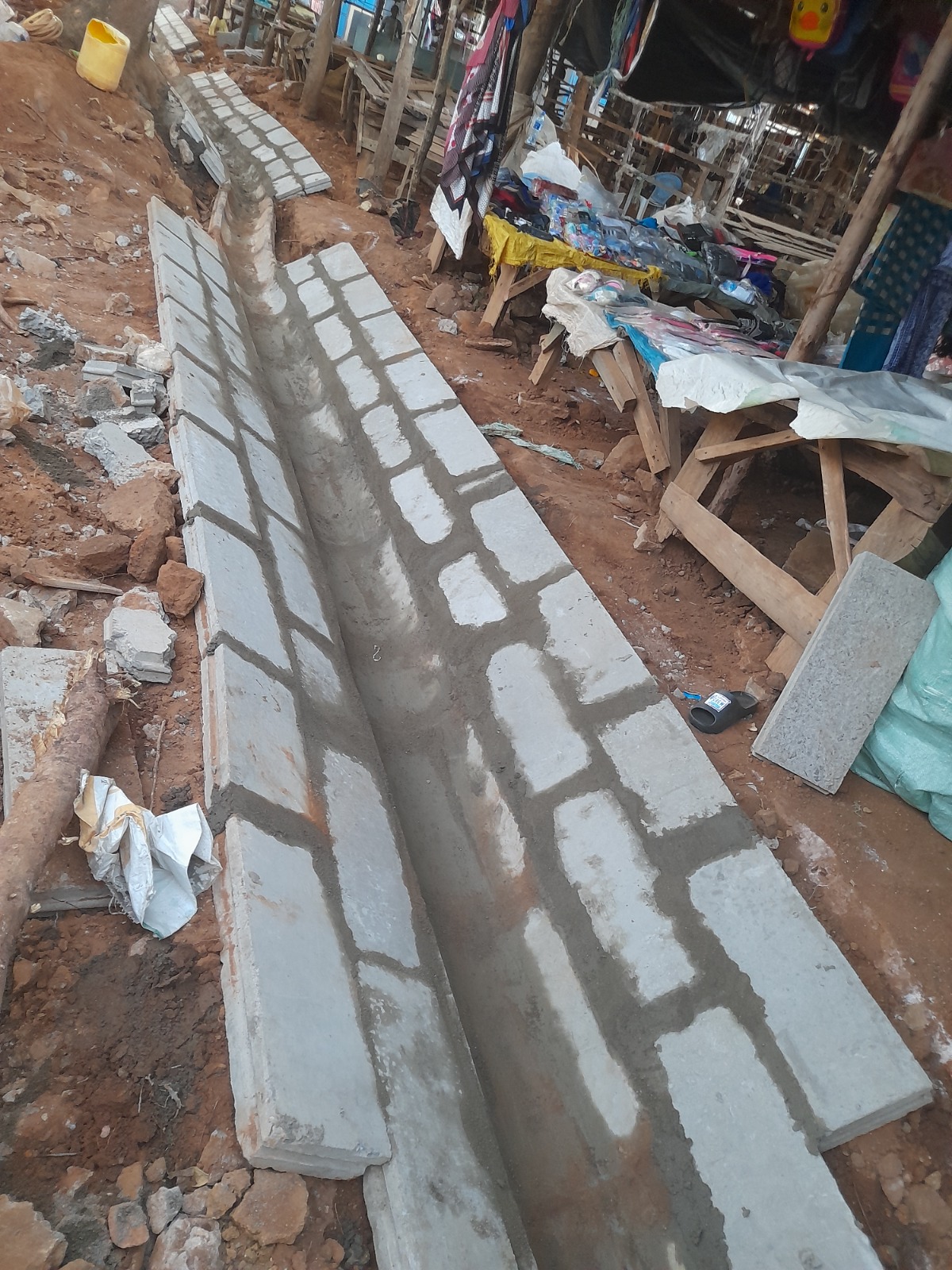
One of the biggest challenges in road construction on sloped land is controlling the grade and ensuring proper drainage. Steep inclines can make roads more challenging to drive on, while water runoff can erode the surface if not properly channeled.- Solution: Engineers use advanced grading equipment to maintain consistent slopes and ensure that the road is both safe and functional. Proper drainage channels and culverts must be incorporated to handle rainwater and prevent flooding.
- Retaining Walls and Embankments
Like in landscaping, retaining walls are often used in road construction to support the weight of the roadbed and prevent soil from sliding down the slope. In some cases, embankments are built along the edge of the road to prevent erosion and protect the integrity of the surface.- Solution: When constructing roads on steep slopes, retaining walls are reinforced with proper drainage systems to prevent water from accumulating behind them.

Our Products


Contact Us


Contact Details
