Welcome to Retrofit Enterprises | Excellence in Every Build

-
Call Us Now
0701 749 729
-
We are Open
Everyday 9:00am -6:00pm
-
Send Us E-mail
info@retrofitenterprises.co.ke
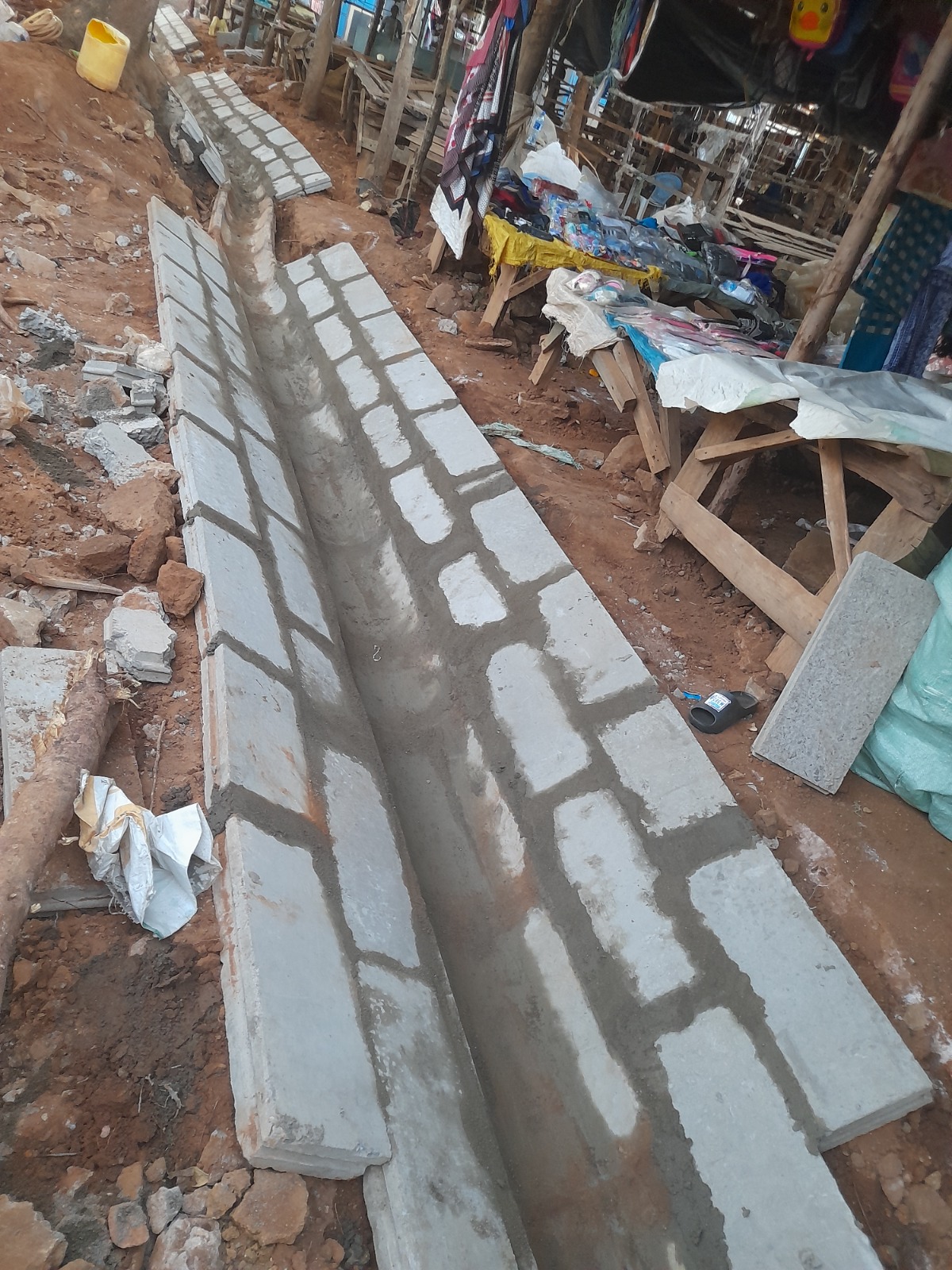
Drainage Works: Ensuring Efficient Water Management for Construction Projects
- 22/04/2026
- No Comments
Drainage is a vital component of any construction project, whether residential, commercial, or infrastructure development. Proper drainage systems help direct water away from buildings, roads, and landscapes to prevent waterlogging, flooding, and structural damage. In this blog post, we will explore the importance of drainage works, common drainage systems used in construction, and best practices for ensuring effective water management.
What is Drainage?
Drainage refers to the removal or channeling of water from a specific area. In construction, it involves installing systems designed to manage surface water runoff, groundwater, and wastewater. Drainage works are essential for preventing water accumulation around buildings and infrastructure, which can lead to foundation problems, soil erosion, and property damage. A well-designed drainage system ensures that water flows efficiently, reducing the risks associated with excess moisture.
Why is Drainage Important in Construction?
- Prevents Flooding and Water Damage
Inadequate drainage can cause water to pool around a building’s foundation or roads, leading to flooding and structural damage. Water can weaken foundations, erode soil, and damage landscaping, leading to costly repairs. A proper drainage system ensures that water is directed away from buildings and critical infrastructure, preventing these issues. - Protects the Foundation
Foundations are one of the most critical components of a building, and they must remain dry to avoid weakening over time. Water infiltration can cause foundations to crack, shift, or settle, resulting in structural instability. Proper drainage protects foundations from water-related damage by redirecting water flow and maintaining soil integrity. - Reduces Soil Erosion
When rainwater accumulates on sloped or uneven surfaces, it can erode the soil, especially in areas with heavy rainfall. This can undermine the stability of roads, landscaping, and building foundations. Drainage systems help manage water runoff, reducing the potential for soil erosion and preserving the integrity of the landscape. - Improves Aesthetic Appeal and Safety
Stagnant water can cause moss, algae, and mold growth, creating slippery surfaces and unattractive environments. Proper drainage ensures clean, dry surfaces that are safer for pedestrians and vehicles. It also preserves the aesthetic value of the landscape by preventing water damage to plants, grass, and other features. - Prevents Waterlogging of Landscapes
Waterlogging occurs when excess water accumulates around plant roots, depriving them of oxygen and damaging plants. Drainage systems help ensure that water doesn’t pool around plants, allowing them to thrive and preventing damage to the landscaping.
Common Types of Drainage Systems in Construction
Several types of drainage systems are commonly used in construction projects, depending on the type of land, the volume of water to be managed, and the specific needs of the project. Below are some of the most popular drainage systems:
- Surface Drainage
Surface drainage systems are designed to remove excess water from the surface of the land. These systems typically involve the use of channels, ditches, and slopes to direct water away from buildings or roads.- Channel Drains: These are narrow channels built into the ground to direct surface water away from a specific area. They are commonly used in driveways, patios, and walkways.
- French Drains: A French drain consists of a perforated pipe buried in a trench filled with gravel or rock. It allows water to flow into the pipe and be carried away to a designated area. French drains are often used in areas with poor drainage or near foundations to prevent water buildup.
- Swales: A swale is a shallow, vegetated channel designed to direct surface water away from structures. Swales can help with stormwater management, especially in residential areas or parks.
- Subsurface Drainage
Subsurface drainage involves removing groundwater and moisture beneath the surface. This type of drainage system is particularly important in areas where the water table is high or in areas with heavy rainfall.- Drainage Pipes: Subsurface drainage systems often use perforated pipes installed underground to collect and redirect groundwater. These pipes are typically buried in trenches filled with gravel to allow water to flow into the pipes.
- Interceptor Drains: Interceptor drains are used to divert groundwater away from specific areas, such as foundations or basements. They are installed at the base of slopes or at the edges of construction sites to prevent water from infiltrating the land.
- Sump Pump Systems
A sump pump is typically installed in areas that are prone to water accumulation, such as basements. The pump is placed in a pit, where it collects water that has entered the area. Once the water reaches a certain level, the pump activates and pushes the water out of the building, directing it to a drainage system or sewer. - Stormwater Drainage Systems
Stormwater drainage systems are designed to handle large volumes of rainwater that accumulate during storms. These systems are typically installed in urban and suburban areas to prevent flooding and manage runoff.- Storm Drains: These are typically found in streets, parking lots, and other paved areas. Storm drains allow rainwater to flow into underground pipes, which carry the water to larger drainage systems or reservoirs.
- Catch Basins: A catch basin is a type of storm drain that collects water and debris, filtering it before allowing water to enter the drainage system. These are typically installed along roads and streets to prevent clogging in the pipes.
- Gutter and Downspout Systems
Gutters and downspouts are a simple and effective way to manage rainwater that falls on the roof of a building. Gutters collect rainwater and direct it toward downspouts, which carry the water away from the building and into the ground or a drainage system.- Benefits: Gutter and downspout systems help protect a building’s foundation by directing water away from the walls and base of the structure. They also prevent water from accumulating in unwanted areas, such as the driveway or landscaping.
Best Practices for Drainage Works
To ensure the effectiveness of a drainage system, it’s important to follow best practices during both the design and installation phases. Below are some key considerations for effective drainage works:
- Proper Site Evaluation
Before beginning any drainage work, a thorough evaluation of the site is essential. Consider the landscape’s slope, soil type, and water flow patterns. Understanding the site’s unique characteristics helps determine the best drainage solutions. - Correct Slope and Grading
The design of the drainage system must account for the natural slope of the land. Ensuring that the ground is graded correctly allows water to flow in the desired direction. A slope of at least 1% to 2% is recommended to ensure proper water flow. - Use of Quality Materials
Using high-quality materials for pipes, drains, and other drainage components is essential for ensuring the longevity and performance of the system. Durable materials such as PVC pipes and concrete drains will last longer and withstand the wear and tear of water flow. - Regular Maintenance
Drainage systems require regular maintenance to ensure they continue functioning properly. This includes cleaning gutters and drains, checking for blockages, and inspecting pipes for leaks. Regular maintenance can prevent costly repairs and prolong the lifespan of the drainage system. - Incorporate Natural Drainage Solutions
In addition to traditional drainage systems, incorporating natural solutions such as rain gardens, permeable pavements, and bioswales can help manage water more sustainably. These green infrastructure solutions not only manage water runoff but also enhance the beauty of the landscape.

Our Products


Contact Us


Contact Details
